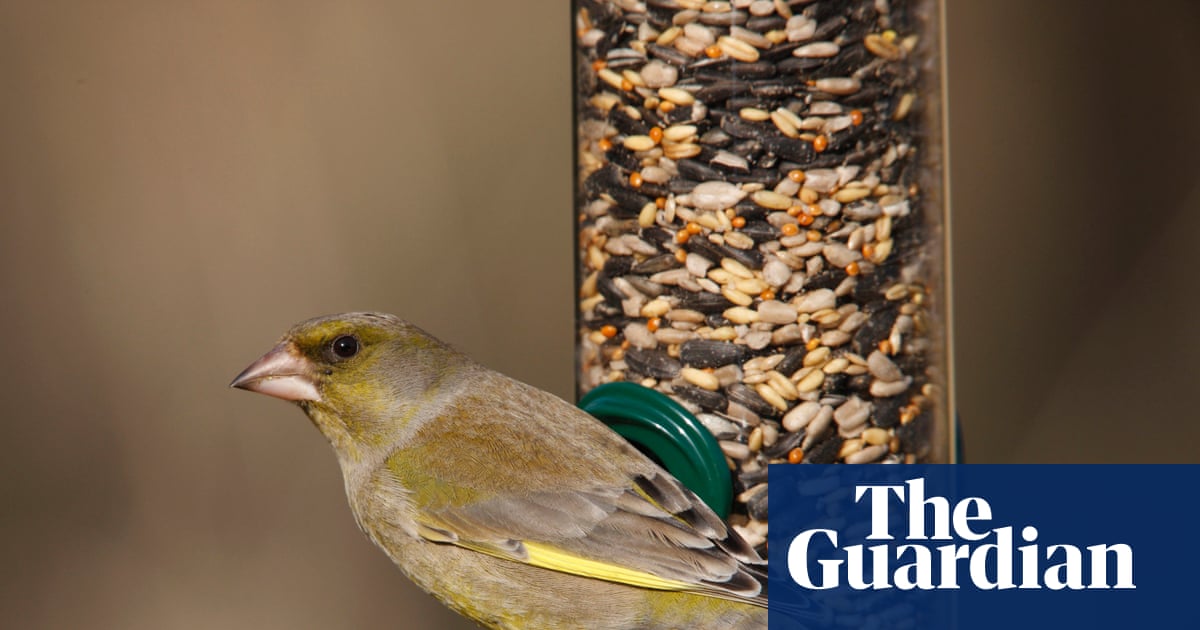
Finch Trichomonosis: Why Flat Feeders Endanger Greenfinches and What You Can Do
For countless garden enthusiasts, putting out food for wild birds is a cherished ritual, a way to connect with nature and support local wildlife. Yet, this benevolent act, if not done with caution, can inadvertently contribute to the spread of devastating diseases, particularly for beloved finches. The Royal Society for the Protection of Birds (RSPB) recently made a significant move, halting the sale of specific
rspb bird feeders – particularly those with flat feeding surfaces – due to growing concerns about finch trichomonosis. This decision highlights a critical issue: the way we feed our garden birds can have life-or-death consequences, especially for vulnerable species like the greenfinch.
Understanding Finch Trichomonosis: A Silent Killer of Garden Birds
Finch trichomonosis, often simply referred to as trichomonosis, is a highly contagious and fatal disease caused by the microscopic parasite *Trichomonas gallinae*. While this parasite naturally occurs in some bird species without causing illness, it can be deadly when it infects finches. The disease primarily affects the bird's throat and gullet, leading to lesions and swelling. These physical changes make it incredibly difficult, if not impossible, for infected birds to swallow food or even water.
The symptoms are often subtle at first but quickly become severe. Affected birds may appear listless, fluffed up, and show signs of difficulty breathing. They might struggle to feed, appearing to try and swallow repeatedly, or they may regurgitate food. As the disease progresses, they become increasingly weak and ultimately starve or dehydrate, often within days of showing the first symptoms.
The impact of trichomonosis on the UK's greenfinch population has been nothing short of catastrophic. Since 1993, this vibrant garden visitor has experienced a staggering population crash of 63%, a decline primarily attributed to severe outbreaks of this disease. So dire is the situation that in 2021, the greenfinch was placed on the red list, signifying its critically endangered status. While greenfinches have been the hardest hit, other finch species, including chaffinches, have also shown declining numbers linked to the disease. The parasite is highly resilient in damp environments, making contaminated food and drinking water potent vectors for transmission.
The RSPB's Precautionary Stand: Why Flat Feeders Are Under Scrutiny
The recent decision by the RSPB to suspend the sale of flat bird feeders and related products – including bird tables, window feeders with trays, and specific table mixes – underscores the seriousness of the trichomonosis threat. This move by one of the UK's leading bird conservation charities is not taken lightly; it's a direct response to increasing evidence suggesting a link between flat feeding surfaces and disease transmission among finches.
The RSPB's official statement to customers emphasized that while bird feeding offers benefits, particularly in winter, there are growing concerns about negative effects, especially the spread of disease among finches. Their action is a "precautionary measure" while they await the full findings of ongoing research. The belief is that when birds, particularly finches, congregate and feed on flat surfaces, they are more exposed to the parasite. This is because flat surfaces allow birds to stand directly *in* their food, potentially contaminating it with saliva, regurgitated food, or droppings, all of which can carry the *Trichomonas gallinae* parasite.
This stance is supported by other leading ornithological organizations. Jon Carter from the British Trust for Ornithology (BTO) affirmed their support for the RSPB's precautionary approach. He noted that while research on the direct link between flat surfaces and disease spread is ongoing, maintaining excellent feeder hygiene and potentially avoiding flat surfaces are sensible steps. The withdrawal of specific
rspb bird feeders from sale signals a crucial shift in how bird feeding advice is being shaped by scientific evidence. You can read more about this significant development in our article:
RSPB Halts Flat Feeder Sales Over Deadly Finch Disease Risk.
The Science Behind the Risk: How Flat Surfaces Aid Transmission
The core problem with flat feeding surfaces lies in their design, which inherently facilitates the spread of pathogens. When multiple birds gather on a bird table or a window feeder tray, they interact closely. This close proximity means that:
1. **Direct Contamination:** Birds can easily contaminate the food with their saliva. If a bird is infected with *Trichomonas gallinae*, its saliva will contain the parasite.
2. **Regurgitated Food:** Finches, especially during the breeding season, are known to regurgitate food to feed their young or even mates. If an infected bird regurgitates food onto a flat surface where others are feeding, the parasite is readily transmitted.
3. **Faecal Contamination:** While less direct for trichomonosis, droppings can also be left on flat surfaces, contributing to a generally unhygienic environment that can harbor other pathogens.
4. **Standing in Food:** Unlike hanging tube feeders where birds perch and pick out seeds, flat surfaces allow birds to stand directly in the food supply. This increases the likelihood of contact with contaminated material and allows the parasite to survive for longer in a moist environment, especially when mixed with saliva or water.
The *Trichomonas gallinae* parasite thrives in moist conditions, making contaminated food or water an ideal transmission route. A flat surface that gets damp from rain or dew, combined with bird saliva, creates a perfect breeding ground for the parasite. While bird feeding has clear benefits, these risks highlight the delicate balance between supporting wild birds and inadvertently contributing to their demise through disease. This understanding is what drives the evolving advice from conservation bodies and underpins the RSPB's latest actions regarding
rspb bird feeders.
Beyond the Feeder: Comprehensive Tips for Responsible Bird Feeding
Understanding the risks is the first step; taking action is the next. For those who love feeding garden birds, adopting best practices is crucial to mitigate disease spread and ensure our feeders are truly beneficial.
Here are comprehensive tips for responsible bird feeding:
*
Prioritise Hygiene: This is the single most important action.
*
Clean Regularly: All feeders, bird tables, and bird baths should be cleaned frequently. Hanging feeders should be cleaned at least weekly, and flat surfaces, if you continue to use them, daily.
*
Proper Cleaning Method: Use a mild disinfectant, such as a weak bleach solution (5% household bleach) or a specific bird-safe feeder disinfectant. Always rinse thoroughly with clean water and allow feeders to dry completely before refilling.
*
Dedicated Tools: Use separate brushes and tools for cleaning bird feeders, and avoid bringing them into your kitchen to prevent cross-contamination.
*
Rethink Feeder Choices:
*
Opt for Hanging Feeders: Tube feeders, squirrel-proof feeders, and seed feeders where birds perch outside the food reservoir are generally safer than flat surfaces. This reduces direct contact with food and minimizes contamination from droppings or saliva.
*
Rotate Feeder Locations: Moving feeders around the garden can prevent a build-up of droppings and pathogens in one specific area beneath them.
*
Manage Food Safely:
*
Avoid Overfilling: Only put out enough food that will be eaten within a day or two to prevent spoilage and reduce the time food sits exposed to potential contamination.
*
Remove Uneaten Food: Regularly clear away any uneaten or damp food from all feeding stations.
*
Quality Over Quantity: Provide high-quality bird food. Cheap mixes can often contain fillers that birds discard, attracting pests and creating more waste.
*
Maintain Bird Bath Hygiene: Bird baths are just as important for disease transmission as feeders. Clean them daily, especially in warmer weather, to prevent the build-up of parasites and bacteria.
*
Monitor Your Birds:
*
Observe for Illness: Keep a keen eye on your garden birds. If you notice any showing signs of illness – lethargy, puffed-up appearance, difficulty swallowing, or unusual growths around the beak – take immediate action.
*
Suspend Feeding: If you spot sick birds, withdraw all food for at least 2-4 weeks. This encourages birds to disperse and find natural food sources, breaking the cycle of transmission at your feeders. Clean all feeders thoroughly before reintroducing them.
*
Report Sightings: Report sick or dead birds to schemes like the BTO's Garden BirdWatch or local wildlife groups to help researchers track disease outbreaks.
By following these guidelines, bird lovers can continue to enjoy and support their garden visitors responsibly. For more detailed advice on keeping your feathered friends safe, please refer to our guide:
Safe Bird Feeding: Essential Tips After RSPB's Feeder Warning.
Conclusion
The RSPB's decision to remove specific
rspb bird feeders from sale serves as a powerful reminder that our interactions with wildlife, however well-intentioned, carry responsibility. Finch trichomonosis is a real and present danger, particularly to species like the greenfinch, whose populations have been decimated by this parasite. By understanding the risks associated with flat feeding surfaces and committing to rigorous hygiene practices, bird enthusiasts can play a vital role in protecting our garden birds. Responsible feeding isn't just about providing sustenance; it's about creating a safe, healthy environment where our cherished wild birds can thrive for generations to come.