Safe Bird Feeding: Essential Tips After RSPB's Feeder Warning
For many of us, the sight of vibrant garden birds flitting around our RSPB bird feeders brings immeasurable joy and a vital connection to nature. We put out food with the best intentions, aiming to support our feathered friends through lean times, especially during the harsh winter months. However, a recent, significant warning from the Royal Society for the Protection of Birds (RSPB) has prompted a crucial re-evaluation of our bird feeding practices. The charity has taken a proactive stance, highlighting growing concerns that certain types of feeders could inadvertently be contributing to the spread of deadly diseases among wild bird populations, particularly finches.
This isn't about stopping feeding altogether; it's about feeding smarter, safer, and more responsibly. The RSPB's decision to withdraw specific products from sale serves as a critical wake-up call, urging bird enthusiasts to adopt improved hygiene and consider the potential risks associated with flat feeding surfaces. Understanding the science behind this warning and implementing updated best practices is paramount to protecting the very birds we cherish.
The RSPB's Urgent Warning: Why Flat Feeders Are Under Scrutiny
In a move reflecting a precautionary principle, the RSPB recently announced the suspension of sales for all flat bird feeders and related products from their website. This includes traditional bird tables, window feeders with trays, and even specific table mixes and feeder guardians designed for flat surfaces. The reason? Mounting evidence suggests that these flat feeding areas can facilitate the transmission of infectious diseases, with finches being particularly vulnerable.
The charity explained to its customers that while supplemental feeding offers clear benefits to some species, especially in winter, there's increasing concern about negative effects, primarily the spread of illness. Flat surfaces, by their very nature, allow birds to congregate more closely, share food and water more readily, and come into contact with droppings more easily. This creates an ideal environment for parasites and bacteria to spread from one bird to another. You can read more about the specifics of this decision here: RSPB Halts Flat Feeder Sales Over Deadly Finch Disease Risk.
The decision by the RSPB is not taken lightly but reflects a commitment to bird welfare based on scientific insight. While research on the direct link between flat surfaces and disease transmission is ongoing, the RSPB, supported by other organisations like the British Trust for Ornithology (BTO), views this as a necessary interim measure to protect vulnerable populations.
Understanding Finch Trichomonosis: A Deadly Threat to Garden Birds
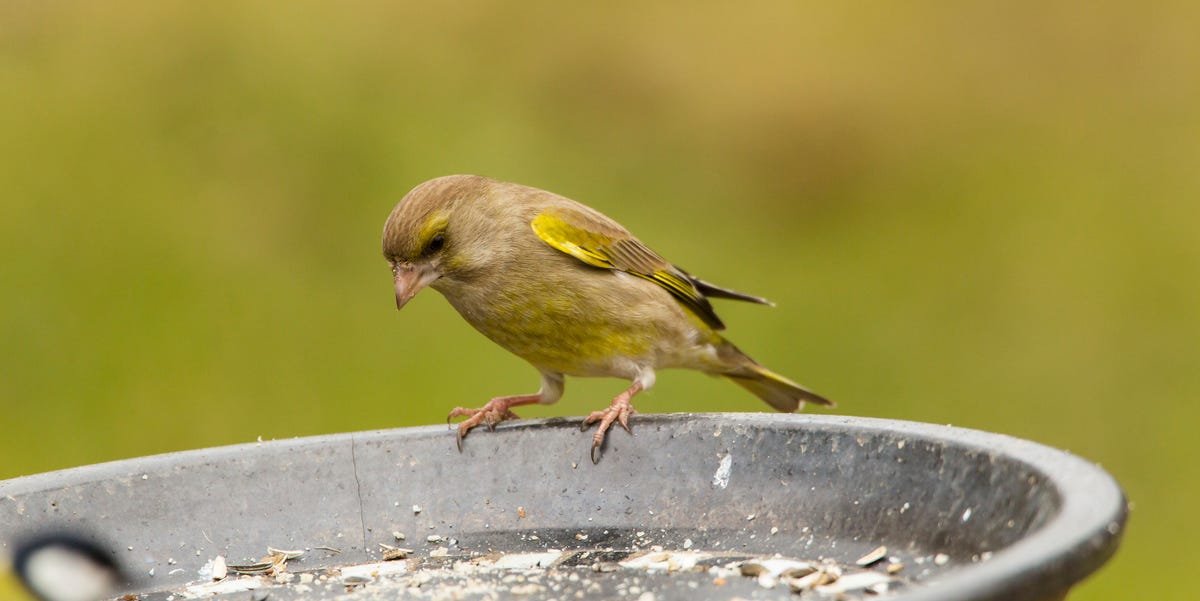
At the heart of the RSPB's concern is finch trichomonosis, a devastating disease caused by the microscopic parasite Trichomonas gallinae. This illness has been a primary factor in the alarming decline of Britain's greenfinch population, which has plummeted by a staggering 63% since 1993. So severe has the impact been that the greenfinch was added to the red list of conservation concern in 2021.
Trichomonosis manifests with symptoms such as lethargy, fluffed-up appearance, difficulty swallowing (leading to regurgitation of food), and often matted feathers around the face. The parasite causes lesions in the throat and gullet, making it difficult for birds to feed and drink, ultimately leading to starvation or choking. Chaffinch populations have also shown declines linked to this disease, underscoring its broad impact on garden finches.
The transmission of this fatal disease typically occurs in a few key ways:
- Contaminated Food and Water: Infected birds shed the parasite in their saliva. When they feed or drink, they can contaminate the surfaces of feeders, bird baths, and the food itself. Other birds then ingest the parasite.
- Regurgitated Food: During the breeding season, adult birds feeding their young with regurgitated food can directly transmit the parasite if they are infected.
Flat feeders, by design, are more susceptible to becoming contaminated. Food can be spread across a wider surface, allowing for more contact with droppings and saliva. Furthermore, flat surfaces often lead to birds feeding in close proximity, increasing the likelihood of direct contact and indirect transmission via shared contaminated resources. This makes the RSPB's focus on `rspb bird feeders` and their design so crucial. Dive deeper into the specifics of this disease and its impact here: Finch Trichomonosis: Why Flat Feeders Endanger Greenfinches.
Beyond Flat Feeders: Essential Practices for Safe Bird Feeding
The RSPB's warning isn't a call to stop feeding birds entirely. On the contrary, carefully managed supplemental feeding can still be beneficial, especially during harsh weather. However, it necessitates a shift towards responsible practices, with hygiene at the forefront. Here are essential tips to ensure your garden remains a safe haven for birds:
- Prioritise Hygiene Above All Else:
- Regular Cleaning: This is the single most important step. Clean feeders and bird baths daily or every other day, especially for high-traffic areas. A thorough deep clean should occur at least once a week.
- Cleaning Method: Use hot, soapy water (washing-up liquid is fine), scrubbing away any dried food or droppings. Rinse thoroughly, then disinfect with a weak solution of bird-safe disinfectant or a 5% bleach solution. Rinse again meticulously to remove all traces of cleaning agents.
- Drying: Ensure feeders are completely dry before refilling with food. Moisture can encourage mould and bacterial growth.
- Choose Safer Feeder Types:
- Hanging Tube Feeders: Opt for tube feeders designed for seeds. These typically have small perches and limit birds' direct contact with the food supply.
- Suet Feeders: Suet cages or fat ball feeders are generally safer as they allow birds to peck at a solid block, reducing surface contamination.
- Ground Feeding (with caution): If you offer food on the ground, use a designated, easily cleanable tray that can be moved frequently. Only put out small amounts of food that will be eaten quickly to avoid spoilage and attraction of rodents.
- Avoid Overcrowding: Position multiple feeders around your garden, rather than clustering them, to reduce competition and direct contact between birds.
- Offer Fresh, High-Quality Food:
- Small Amounts: Only put out as much food as birds can eat in a day or two. This prevents food from spoiling or becoming contaminated.
- Discard Spoiled Food: Regularly check for any damp, mouldy, or uneaten food and remove it promptly.
- Variety: Offer a variety of foods to attract different species and ensure a balanced diet.
- Maintain Bird Bath Cleanliness:
- Bird baths are equally important for hydration but can also be major transmission points for disease. Clean them daily with hot water and a brush, then rinse well.
- Observe Your Birds:
- Pay close attention to the birds visiting your garden. If you notice any signs of illness (lethargy, ruffled feathers, difficulty eating/swallowing, lesions), immediately stop feeding for at least 2-4 weeks.
- Clean all feeders and bird baths thoroughly and frequently during this cessation period. This break helps to disperse birds and break the cycle of disease transmission.
The Broader Context: BTO's Perspective and Ongoing Research
The RSPB's decision to temporarily suspend sales of certain RSPB bird feeders aligns with a broader scientific understanding of the complex relationship between humans, wild birds, and disease. The British Trust for Ornithology (BTO) echoes the RSPB's precautionary stance, acknowledging that while feeding garden birds offers numerous benefits, it also carries potential risks, particularly concerning disease transmission.
Jon Carter from the BTO commented on the ongoing research into the pros and cons of garden bird feeding. He stressed that current advice is shaped by this evolving evidence and will continue to be updated as new findings emerge and are peer-reviewed. For now, maintaining rigorous feeder and bird bath hygiene remains the most critical action individuals can take to mitigate disease spread. The BTO supports the RSPB's decision as a sensible precautionary measure while more definitive research into the role of flat surfaces is completed.
This ongoing scientific inquiry means that guidance on bird feeding may continue to evolve. Staying informed through reputable organisations like the RSPB and BTO is vital for any responsible bird enthusiast.
Conclusion
The RSPB's recent warning about flat bird feeders serves as a crucial reminder that our well-intentioned efforts to support garden birds must be coupled with responsibility and vigilance. By understanding the devastating impact of diseases like finch trichomonosis and taking proactive steps, we can ensure our gardens remain safe and healthy havens for wildlife. Prioritising rigorous hygiene, choosing appropriate feeder types, and observing our feathered visitors for any signs of illness are not just recommendations; they are essential practices for safeguarding the future of our beloved garden birds. Let's adapt our habits, protect our finches, and continue to enjoy the vibrant life our `rspb bird feeders` help to attract, albeit more safely and sustainably.