RSPB Halts Flat Bird Feeder Sales Over Deadly Finch Disease Risk: A Crucial Precaution for Garden Birds
In a significant move aimed at safeguarding the health of wild birds, the Royal Society for the Protection of Birds (RSPB) has announced a decisive halt to the sale of certain RSPB bird feeders, specifically those designed for flat-surface feeding. This precautionary measure comes amid growing concerns and increasing evidence linking such feeders to the accelerated spread of deadly diseases, most notably finch trichomonosis, which has devastated populations of beloved garden birds like the greenfinch.
For countless bird enthusiasts across the UK, providing food for garden visitors is a cherished activity, offering a vital lifeline, especially during harsher winter months. However, the RSPB's decision underscores a critical paradigm shift in understanding the full impact of human intervention on wildlife. While feeding can be beneficial, it also carries potential risks, and the charity is now urging a re-evaluation of feeding practices to mitigate these dangers.
The affected products withdrawn from the RSPB's website include bird tables, window feeders with trays, feeder guardians with trays, and specific table mixes. This proactive step highlights the RSPB's commitment to prioritizing bird welfare and adapting advice based on the latest scientific understanding, even if it means altering long-standing traditions of garden bird feeding.
Understanding the Threat: Finch Trichomonosis and Its Devastating Impact
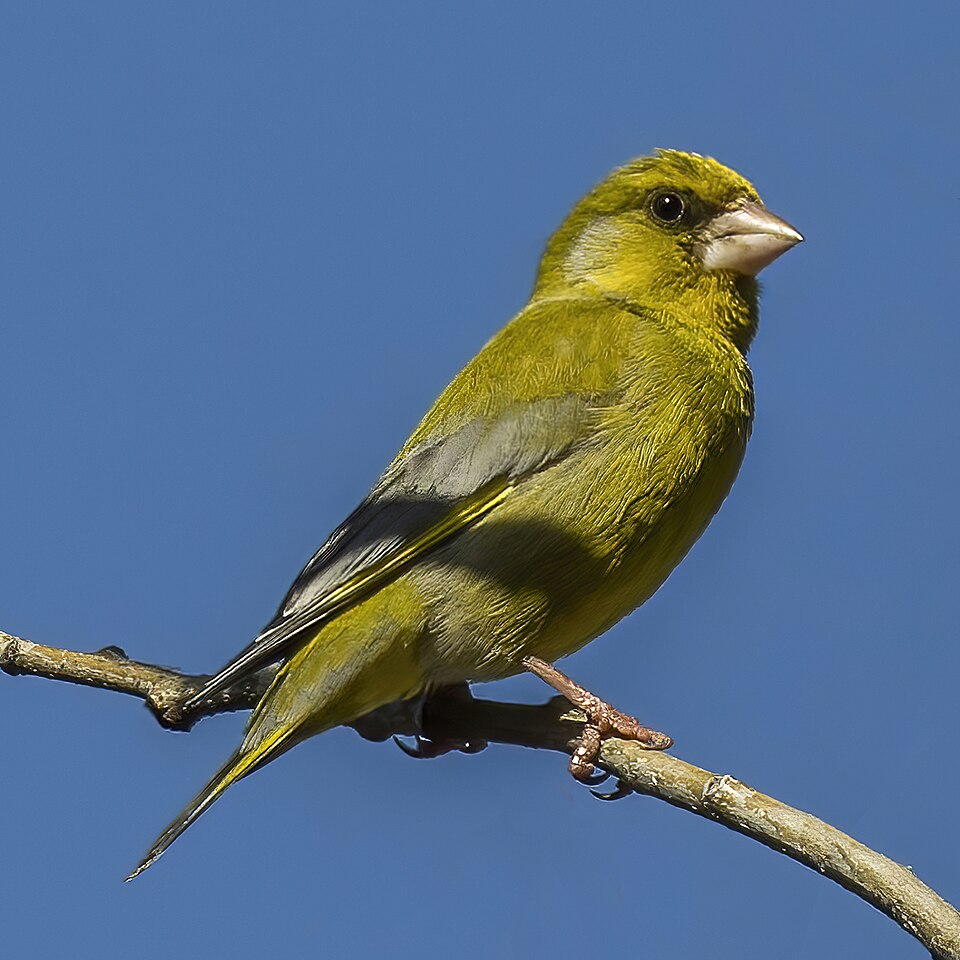
At the heart of the RSPB's concern is finch trichomonosis, a severe and often fatal disease caused by the microscopic parasite *Trichomonas gallinae*. While present in bird populations for centuries, a particularly virulent strain emerged in the early 2000s, leading to catastrophic declines in certain species. The greenfinch (Chloris chloris) has borne the brunt of this outbreak, experiencing a staggering population crash of 63% since 1993. This dramatic decline led to the greenfinch being red-listed in 2021, signifying its critical conservation status. Chaffinch populations have also shown concerning declines, with trichomonosis believed to be a significant contributing factor.
The mechanism of transmission is critical to understanding the RSPB's decision. The parasite primarily spreads through contaminated saliva. This can occur when infected birds feed one another (especially during breeding season with regurgitated food), or, more pertinently to garden feeders, when healthy birds consume food or drink water contaminated with an infected bird's saliva. Flat feeding surfaces, such as bird tables and trays, are suspected of facilitating this spread by allowing greater congregation of birds in close proximity and easier contact with contaminated materials.
On a flat surface, food and water can become quickly soiled, and multiple birds can access the same area, increasing the likelihood of disease transfer. This is particularly problematic for finches, which are highly susceptible to the disease and often feed gregariously. For a deeper dive into this serious threat, you can explore: Finch Trichomonosis: Why Flat Feeders Endanger Greenfinches.
RSPB's Precautionary Stand: A Shift in Approach to RSPB Bird Feeders
The RSPB's decision to suspend sales of certain RSPB bird feeders is explicitly framed as a "precautionary measure." This means that while ongoing research continues to fully elucidate the exact pathways and extent of disease transmission through different feeder types, the existing evidence strongly suggests a link between flat surfaces and increased risk. The charity stated, "there is increasing evidence that for other birds there can also be negative effects such as the spread of disease, especially among finches."
This approach has garnered support from other prominent ornithological organizations, including the British Trust for Ornithology (BTO). Jon Carter from the BTO commented, "Research demonstrates that there are both pros and cons to feeding the wild birds that visit our gardens. We understand the concerns that people may have about possible negative effects, particularly those linked to the emergence of infectious diseases such as finch trichomonosis." He added that the BTO supports the RSPB's precautionary decision, emphasizing that advice will continue to be updated as new research emerges and passes peer review.
The RSPB's swift action reflects a responsible and dynamic approach to conservation, acknowledging that even well-intentioned human activities need to be continually assessed for their ecological footprint. Their two in-depth reports, ‘Trichomonosis: Fatal disease causing rapid decline of our greenfinches‘ and ‘Trichomonosis: Are our bird feeders up to scratch?‘, underscore the depth of their investigation into this critical issue.
Responsible Garden Bird Feeding: Protecting Our Feathered Friends
While the RSPB's announcement might prompt some concern among those who love feeding their garden birds, it is not a call to cease feeding altogether. Rather, it's an urgent reminder to adopt more responsible and hygienic practices. Feeding birds remains a valuable way to support local wildlife, especially during harsh weather, but it must be done safely.
Key Recommendations for Safe Bird Feeding:
- Prioritize Hygiene: This is paramount. Clean your bird feeders and bird baths frequently.
- Frequency: Ideally, clean feeders every one to two weeks, and more often if you see signs of illness or during peak feeding times. Bird baths should be cleaned daily.
- Method: Use a mild disinfectant (like a 5% bleach solution, ensuring to rinse thoroughly), or a dedicated bird feeder disinfectant. Scrub away all droppings and old food.
- Drying: Ensure all feeders are completely dry before refilling with food to prevent bacterial growth.
- Avoid Flat Surfaces (as a precaution): Following the RSPB's lead, consider temporarily or permanently avoiding flat bird tables, window feeders with trays, and any other flat feeding platforms. This is particularly crucial for feeding finches.
- Opt for Safer Feeder Types:
- Tubular Feeders: These are excellent for seeds and nuts, preventing birds from standing directly in their food.
- Hanging Feeders: Fat balls and suet cakes in hanging cages are also good options.
- Ground Feeding (with caution): If you do offer food on the ground, spread it thinly on a clean, hard surface that can be easily swept and disinfected, or on a fresh patch of lawn daily, ensuring it's completely consumed. Avoid leaving food to rot.
- Rotate Feeding Sites: If possible, move feeders around your garden every few weeks to prevent a build-up of droppings and parasites in one area.
- Monitor for Illness: Be vigilant. If you notice birds appearing lethargic, fluffed up, struggling to breathe, or having visible lesions around the beak (common signs of trichomonosis), immediately stop feeding for at least 2-4 weeks. Clean all feeders thoroughly during this period. Report any suspected disease outbreaks to wildlife charities or relevant authorities.
- Offer a Variety of Foods: Different food types attract different species and can help ensure a balanced diet, reducing over-reliance on a single food source.
By implementing these practices, we can continue to enjoy the beauty of garden birds while significantly reducing the risks of disease transmission. For further actionable advice, refer to: Safe Bird Feeding: Essential Tips After RSPB's Feeder Warning.
Beyond the Feeder: A Holistic Approach to Bird Conservation
While safe feeding practices are vital, they are just one component of a broader approach to supporting garden wildlife. Creating a biodiverse habitat is equally important. This includes:
- Providing Natural Food Sources: Plant berry-bearing shrubs, seed-rich flowers, and insect-attracting plants.
- Fresh Water: A clean bird bath is essential for drinking and bathing, especially during dry spells.
- Shelter and Nesting Sites: Dense shrubs, trees, and nest boxes offer crucial protection and breeding opportunities.
- Minimizing Pesticides: Avoid chemicals that harm insect populations, a vital food source for many birds.
Every garden, no matter its size, can contribute to a healthier environment for our feathered neighbours. The RSPB's recent decision serves as a powerful reminder that our interactions with wildlife carry significant responsibility. By staying informed and adapting our practices, we can ensure that our efforts to help birds are truly beneficial.
Conclusion: A Call for Vigilance and Adaptability in Bird Feeding
The RSPB's withdrawal of flat RSPB bird feeders from sale marks a pivotal moment for garden bird conservation. It underscores the severity of diseases like finch trichomonosis and highlights the critical need for continuous vigilance and adaptability in our feeding practices. While the joy of watching birds in our gardens is undeniable, that joy must be tempered with a deep commitment to their health and well-being.
Bird lovers are encouraged not to abandon their cherished hobby but to embrace the RSPB's precautionary advice. By meticulously maintaining hygiene, opting for safer feeder designs, and staying alert to signs of illness, we can transform our gardens into safe havens rather than potential hotspots for disease. This collective effort, guided by scientific understanding, is crucial for reversing the decline of species like the greenfinch and ensuring that our garden birds thrive for generations to come.